
Have you ever carried a memory so heavy it bent your spirit? A betrayal so sharp it sliced through your trust? I have. And I know what it feels like to hold on—to pain, to resentment, to the illusion that if we stay angry, somehow we stay safe.
But here’s the truth I learned the hard way: Forgiveness is not about them—it’s about us.
I once believed that forgiving meant excusing what someone did, or worse, inviting them back into my life. But it’s not that. Not at all. Forgiveness, I’ve come to understand, is choosing your own peace over the poison of the past.
“Forgiveness is the fragrance that the violet sheds on the heel that has crushed it.”
—Mark Twain
I didn’t get here overnight. It took heartbreak. It took humility. And it took the unraveling of a toxic relationship with someone who wore charm like a mask and manipulation like a crown.
He was a narcissist—covert, calculated, and brilliant at the game of self-preservation. Gaslighting was his language, control his currency. By the end, I no longer recognized myself. I was walking on eggshells, doubting my intuition, shrinking in every space I entered.
Leaving him wasn’t easy. But it remains one of my greatest accomplishments.
Still, even after the relationship ended, he haunted my thoughts. I replayed scenes. I crafted comebacks. I clung to the hurt like it was part of my identity. Until one day I realized: He was no longer in my life… but he was still living in my head. Rent-free.
And that’s when I knew—I had to forgive.
But How Do We Forgive?
Forgiveness isn’t a single act. It’s a practice. A process. A peeling away of layers—like an onion that brings tears to your eyes before it reveals its core.
Ask yourself:
- What am I gaining by holding onto this pain?
- Who am I becoming in the absence of forgiveness?
- Am I ready to feel something new?
Forgiveness doesn’t mean we forget. It doesn’t mean we say what they did was okay. It means we choose not to carry it anymore. We detach. Like a balloon finally released into the sky, no longer tethered to what once was.
Yoga Taught Me to Breathe Through It
During my yoga teacher training, we were asked to reflect on the Sanskrit concept of Ahimsa—non-violence. Not just in action, but in thought. I realized I was committing violence against myself by re-living my wounds. By re-opening scars that had long since tried to heal.
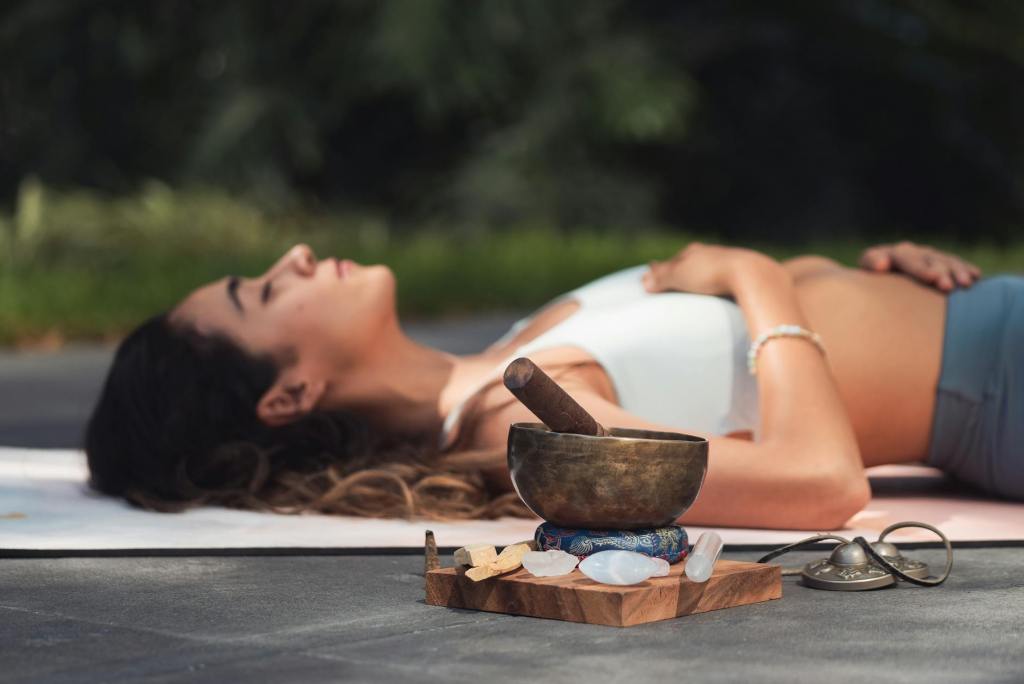
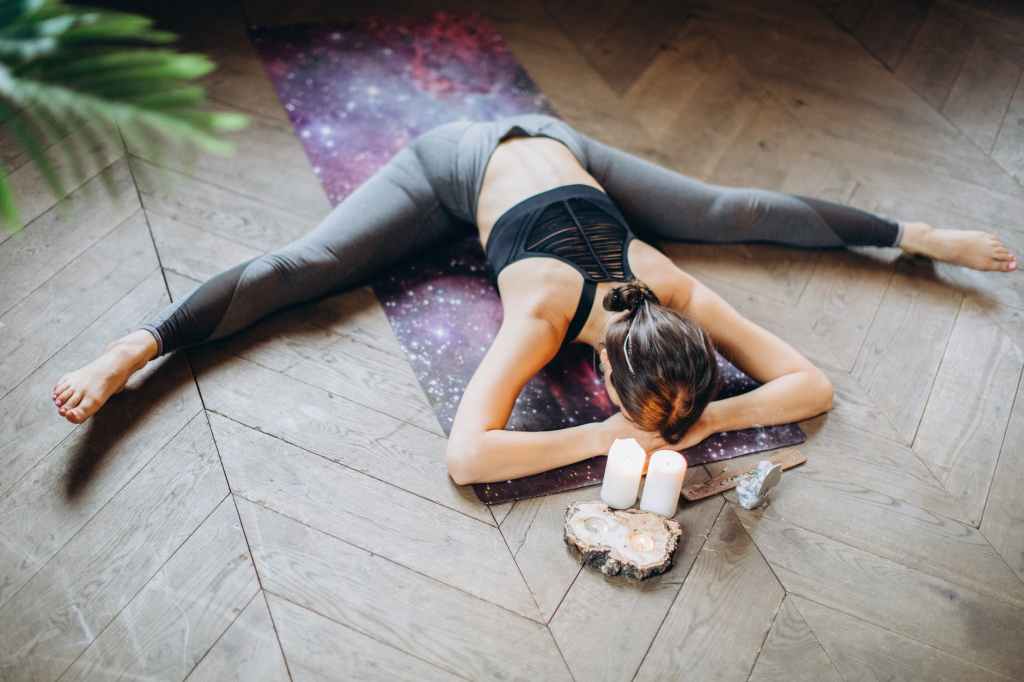
Through the breath, I began to soften. In the stillness of Savasana, I heard whispers of release. And in the fire of deep hip openers, I cried—not from pain, but from relief. Forgiveness had started to weave itself through my body like golden light.
Forgiveness Frees Us
“To forgive is to set a prisoner free and discover that the prisoner was you.”
—Lewis B. Smedes
I just love that quote. The thing is, holding onto resentment is like drinking poison and expecting the other person to suffer. It doesn’t work that way. Anger burns hot, but it also burns out. And beneath it… there is space. For healing. For peace. For you.
What Forgiveness Feels Like
It feels like walking barefoot on the earth again, after years of standing on broken glass. It feels like silence that no longer screams. Like remembering your own name after being called everything else.
It feels like home.
And you don’t have to do it alone. I’ve created a guided meditation on forgiveness to help you begin—or continue—this journey. Whether your wound is fresh or decades old, this meditation is a space for you to lay it down. To say, I’m ready to feel something else now.
🕊️ Click here to experience the meditation
Let this be your reminder: You are not what they did to you. You are what you choose to do with it.
With love, always—
Jocy
With love and light,
Jocy
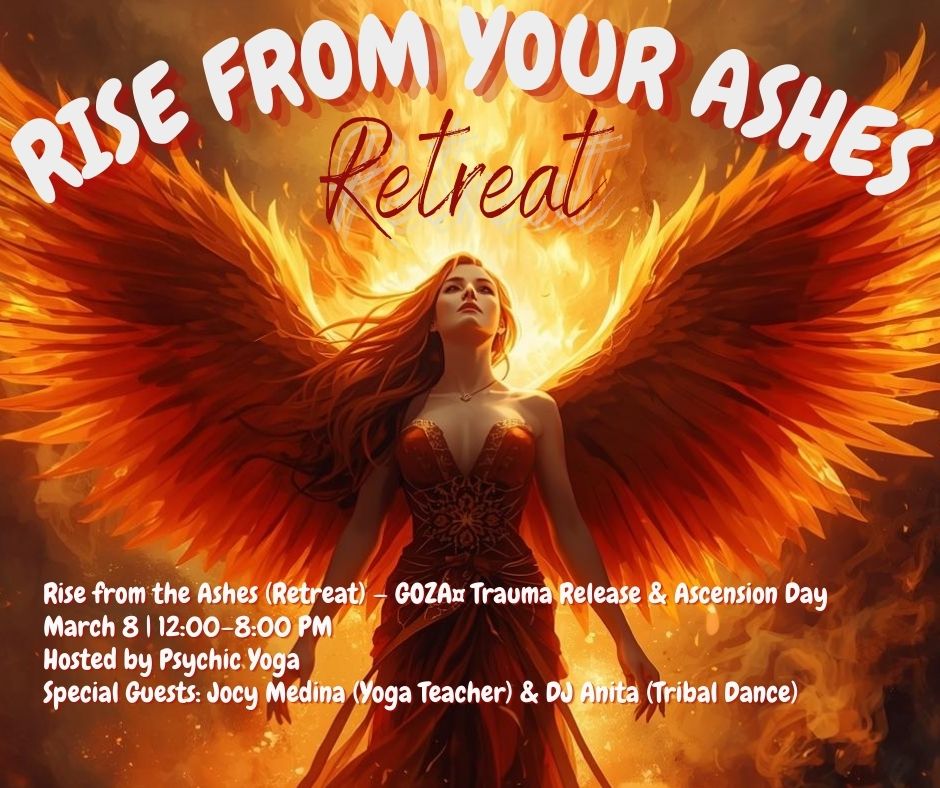
- 🔥 RISE FROM THE ASHES — GOZA™
 On March 8, 2026 an immersive healing experience called GOZA™ will take place in Ottawa, led by experienced practitioners. Participants will engage in an 8-hour trauma release journey, focusing on grounding, opening, deep integration, and ascension. The program aims for transformative healing through guided practices, sound therapy, and ecstatic movement. Tickets range from $222 to $244.
 - The Art of Letting Go: How Forgiveness Set Me Free
 This blog post explores the profound impact of forgiveness, emphasizing that it is about personal peace rather than excusing betrayal. The author shares a transformative journey from pain inflicted by a toxic relationship to self-discovery through yoga and meditation. Forgiveness is framed as a liberating process essential for emotional healing.
 - You Are Never Alone: 5 Ways to Connect with Your Angels and Manifest the Life You Desire
 Life can feel overwhelming, leading us to doubt and loneliness. However, we are never truly alone; our angels are always present. Signs like dragonflies or feathers can connect us to them. Strengthening this bond can be achieved through meditation, tarot, dreams, signs, and developing intuition, enhancing our spiritual guidance in daily life.
 - This “Crazy” Thing Can Change Your Life
 Twenty-five years ago, in China, Jocy discovered a transformative meditation practice through a group of serene individuals. Initially misunderstood, meditation became central to her life, helping her heal, discover her true self, and connect with others. She created a YouTube channel, fostering a community for self-discovery and healing through stillness.
 - Balancing Yin and Yang: Finding Harmony in Daily Life
 Are you feeling something in your life is out of balance? Read this, and then reflect. The balance of Yin and Yang is crucial for a fulfilling life. Yang represents action and drive, while Yin symbolizes rest and reflection. Modern life often skews heavily toward Yang, leading to anxiety and burnout. Achieving harmony involves embracing both energies, allowing for cycles of action and stillness in daily life.
 - Teacher Blog: Yoga, An Eternal Journey to Inner Peace
 I recently embarked in a beautiful journey to become a Yoga teacher, after 20 years practicing and 5 years guiding meditation to people I simply adore! This journey has taught me so much, but the top three reflections coming up about Yoga itself, are the following: 🕉️ Yoga isn’t new. It’s eternal. Long before yoga… Read more: Teacher Blog: Yoga, An Eternal Journey to Inner Peace








 Jocy Medina
Leave a comment